I know that choosing the right psychotherapist for you can seem daunting, so here's some information to help you make your choice.


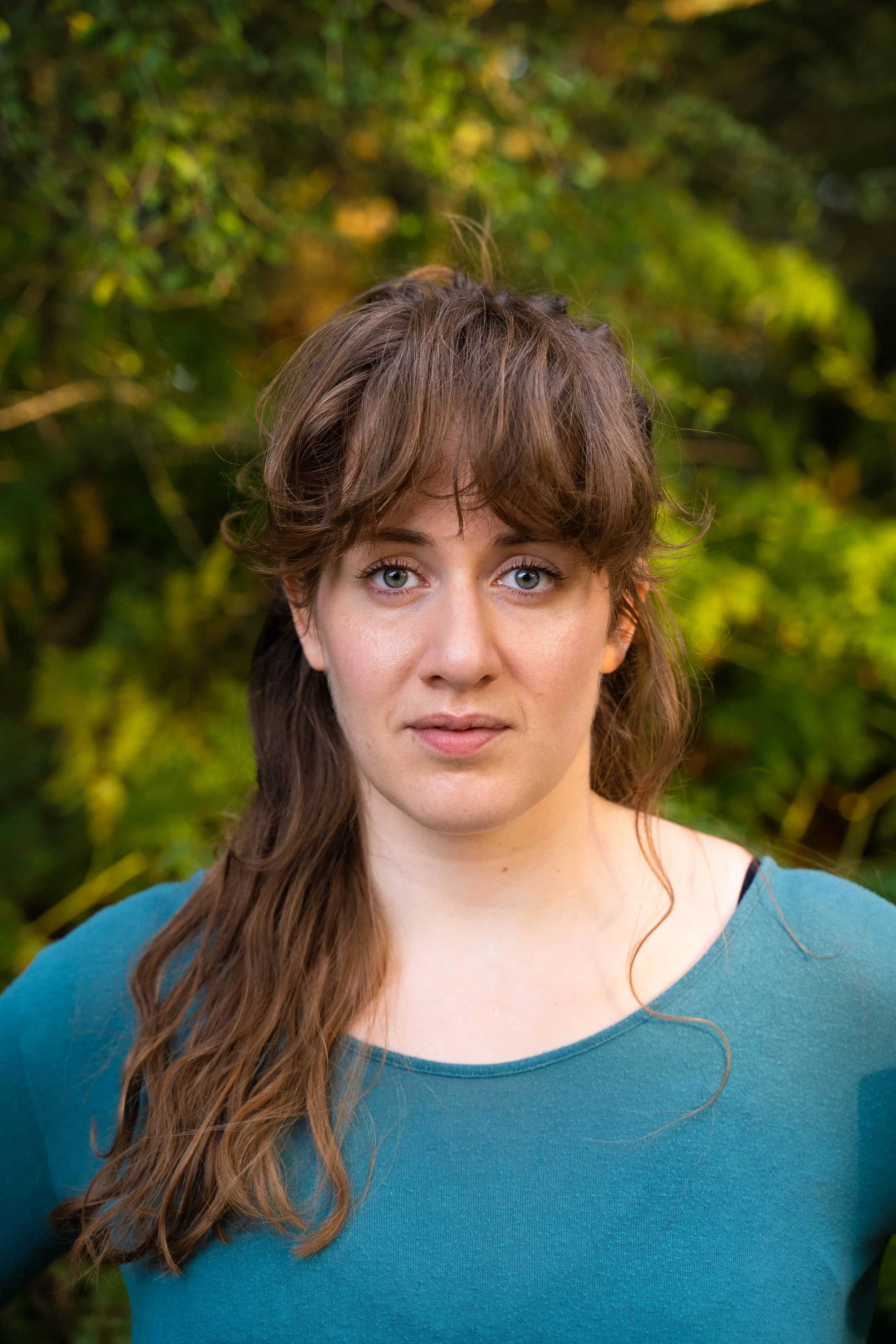
About me
I didn’t become a psychologist or psychotherapist by accident. At its core, my work is driven by a deep curiosity about people - how we survive, how we adapt, and what it costs when the adaptation becomes the problem.
That curiosity took me from an undergraduate degree in Psychology focused on resilience, to a Master’s in Sport and Exercise Psychology where ideas about resilience met the realities of pressure, performance, and expectation, and ultimately to a PhD exploring psychological transformation through adversity.
My interest in resilience isn’t abstract. From a very young age, I existed in environments (particularly educational and sporting) that demanded excellence and accepted nothing less. At the same time, I was carrying a substantial amount of unrecognised psychological and embodied distress from childhood and adolescence. Because I was still functioning, still achieving, and still “performing,” those difficulties were overlooked or misread. It wasn’t until much later, when my system could no longer compensate, that I crashed and burned in a pretty spectacular fashion.
That experience profoundly shaped how I practise. I spent years becoming very good at what high-performance environments reward: override, perfectionism, functioning through anything - until I realised I'd left myself behind, and the field I'd trained in wasn't just failing to see it, it was facilitating it. I'm especially attuned to people who look capable on the outside while struggling internally - because I know that terrain from the inside.
My approach integrates traditional talking therapy with somatic therapy. In practice, this means we work with thoughts, emotions, meaning, and patterns alongside the body and nervous system. Change doesn’t happen only through insight - it happens through lived, embodied experience. My role is to help you understand what’s happening, reconnect with yourself, and move towards a way of living that is both sustainable and meaningful.
I will be 100% on your team - even if you're not (yet).
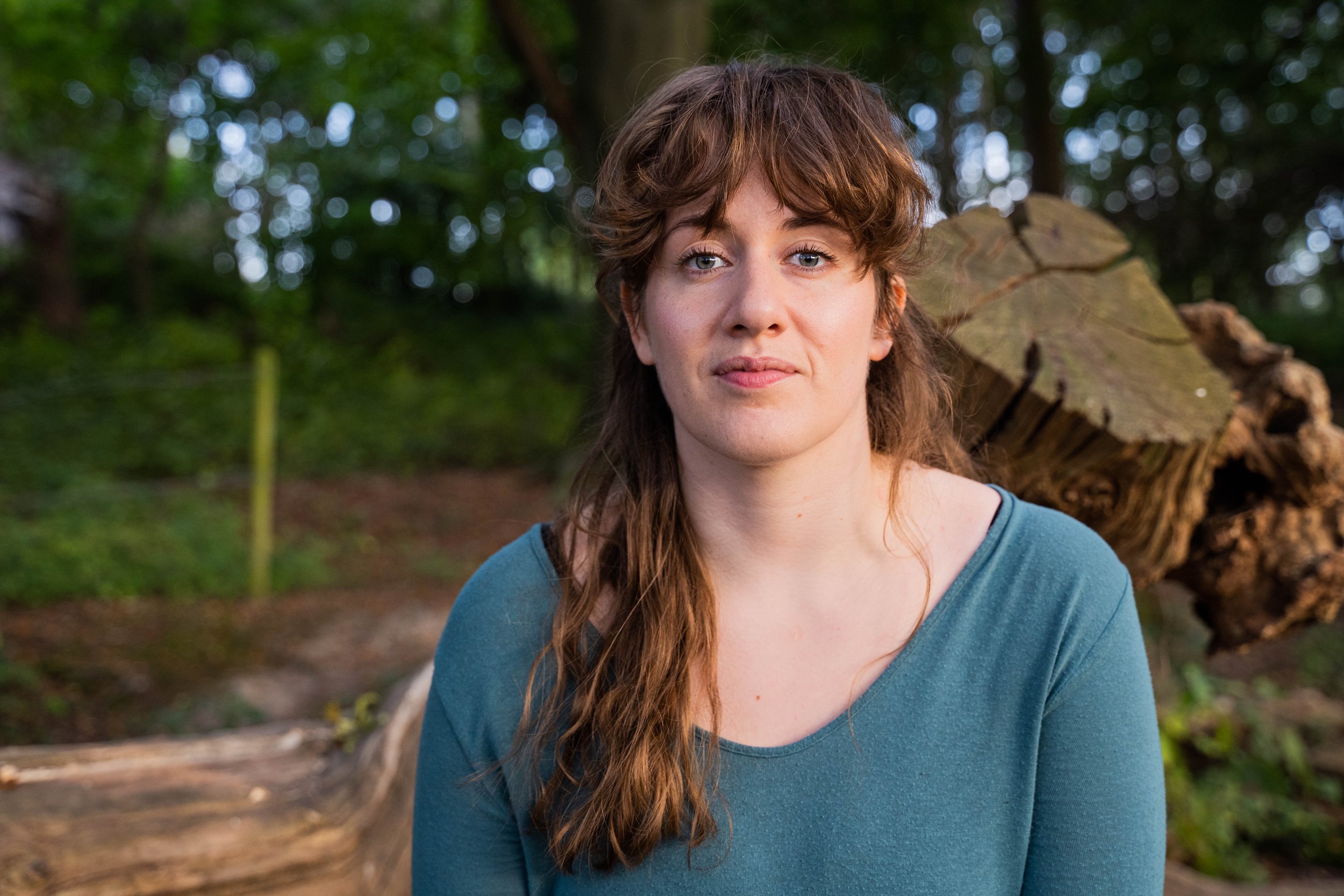
How I practice
I don’t approach therapy as something I do to people.
I see it as something we create together – a set of conditions that allow change to emerge, rather than something that can be forced or instructed. Most of what you've tried so far has probably worked at the level of the icing. I work at the level of the cake.
Most people come to therapy because something in their life no longer works. A reaction feels too strong. A pattern keeps repeating. Their body seems to respond before they have time to think. Often, these responses are treated as problems to fix.
I don’t see them that way.
I understand symptoms as intelligent adaptations – ways your system learned to survive, cope, or function under pressure. They may no longer be helpful, but they once made sense. Therapy, then, is not about overriding them, but about listening carefully enough that something new can reorganise.
In practice, our work is not linear.
We may talk. We may slow things down. We may notice what happens in the moment (emotionally, physically, relationally) and gently stay with it rather than rushing to change it. At times, insight arrives first. At other times, change shows up slowly, without words, and understanding follows later.
Rather than aiming for quick solutions, I pay close attention to timing, safety, and readiness. Change tends to happen not when we push for it, but when the conditions are right.
This means therapy can feel different from approaches that focus on strategies, techniques, or performance goals. Progress is not always immediate or tidy, but it is often deeper, more sustainable, and more integrated.
My role is not to regulate you, fix you, or tell you how to be.
It is to offer a steady, attuned relationship in which your system can begin to find its own coherence again – at its own pace, in its own way.

My qualifications
-
BSc Psychology
MSc Sport and Exercise Psychology
PhD Psychology
-
CPsychol – Chartered Psychologist with the British Psychological Society
HCPC – Practitioner Psychologist with the Health and Care Professions Council
AFBPsS – Associate Fellow of the British Psychological Society
EuroPsy – Psychologist with the European Federation of Psychologists’ Associations
CASES – Sport and Exercise Psychologist with the Chartered Association of Sport and Exercise Sciences
MNCPS (Acc.) – Accredited Registrant with the National Counselling and Psychotherapy Society
SEP – Somatic Experiencing® Practitioner with the European Association of Somatic Experiencing
-
Accredited Mindfulness Teacher (Mindfulness Now)
Level 1 & 2 certification in Narrative Therapy (Institute of Narrative Therapy)
Extensive training in ACT for depression and anxiety disorders, trauma, grief, and ACT as a brief intervention (Russ Harris)
Philosophical Counselling (SMILE_PH method)
Gestalt Therapy (London Gestalt Centre)
-
Level 2 Fitness Instructor
Level 3 Personal Trainer
Level 1 Award in Coaching Olympic Weightlifting
Level 3 Sports Massage
Level 4 Sports Massage